Smart Approaches to Tree Care for a Safer Property
Keeping trees healthy and well-shaped takes more than an occasional glance from the ground. Proper tree trimming is both an art and a science, and getting it wrong can lead to weak growth, disease, or even dangerous limbs that fail during a storm. Whether you manage a home lot or a light commercial property, understanding what thoughtful trimming involves helps you make better decisions about your landscape.
Why trees need regular attention
Trees are resilient, but they are not set-and-forget features of a yard. Left entirely alone, many species develop crossing branches, dead wood, and dense canopies that catch wind like a sail. Routine trimming removes these problems before they become hazards. It also shapes the tree so sunlight and air reach the inner branches, which supports overall health and reduces the risk of fungal infections.
Another reason to keep up with trimming is clearance. Branches that hang over a roof, brush against siding, or crowd power lines can cause damage over time. Even a limb that seems harmless on a calm day can become a threat during a thunderstorm. Periodic trimming keeps those risks low and extends the life of both the tree and the structures around it.
What proper trimming looks like
Good trimming is not about hacking off the top or removing every branch in sight. Arborists follow established cuts that respect the tree's natural growth pattern. They remove dead, diseased, or rubbing branches first, then thin the canopy selectively. The goal is to preserve the tree's structure while reducing weight and wind resistance.
Cuts matter a great deal. A clean cut just outside the branch collar, the swollen area where the branch meets the trunk, allows the tree to seal the wound quickly. Flush cuts or leaving long stubs invite decay and insects. Professional crews also know which branches to keep for balance and which ones are likely to cause problems as they grow larger.
Timing also plays a role
Most deciduous trees respond best to trimming during late winter or early spring, while they are still dormant. At that point the structure is easy to see, and the tree heals quickly once growth starts. Some species, like maples and birches, bleed sap heavily if pruned in early spring, so they are often trimmed in summer instead. Flowering trees need special timing to preserve next season's blooms.
Dead or hazardous limbs can be removed at any time of year. Delaying a necessary removal because the calendar says it is the wrong season can turn a small problem into a large one. If a branch looks unsafe, it should come down promptly regardless of the date.
Common trimming mistakes to avoid
Topping is the most destructive practice still seen in some neighborhoods. Cutting the main trunk or major branches back to stubs leaves the tree unable to regrow a natural form. The new shoots that sprout are weakly attached and likely to break. Topped trees also lose most of their leaves, which starves the roots and can lead to decline over several years.
Over-thinning is another mistake. Removing too many branches at once stresses the tree and exposes the bark to sunscald. A general rule is to take no more than about a quarter of the live foliage in a single season. Trees that need heavy reduction are often better served by a multi-year plan.
Using climbing spikes on a tree that will remain standing is also poor practice. Spikes leave wounds that never fully heal and create entry points for pests and pathogens. Spikes are appropriate only for trees that are being removed completely.
Signs your trees need attention
Walk your property after a windy day and look for fresh debris. If you regularly find branches of thumb size or larger, the canopy may be overloaded. Other clues include branches that rub against each other, dead tips visible against the sky, and leaves that look sparse or discolored in summer. Fungal growths on the trunk or at the base can indicate internal decay that makes the tree less stable.
Leaning trees deserve special attention. A lean that appeared suddenly after a storm or wet ground may mean the root system is compromised. In those cases trimming alone may not be enough, and an evaluation by someone experienced in tree risk assessment is wise.
When to call in professional help
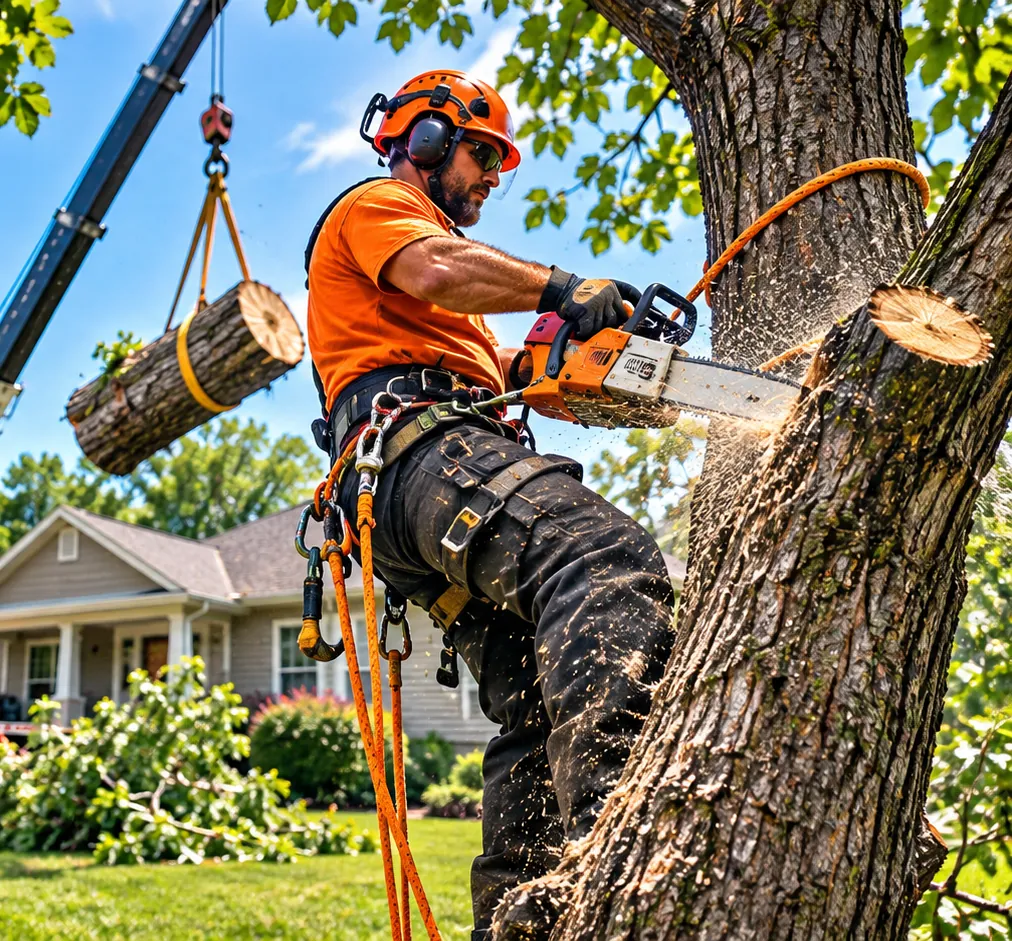
Small trimming jobs near the ground are often safe for a homeowner with sharp tools and good judgment. But once a branch is out of reach of a pole pruner, or once a ladder is needed on uneven ground, the risk goes up quickly. Working near power lines, over a roof, or in a tight space between buildings demands skills and equipment that most people do not have on hand.
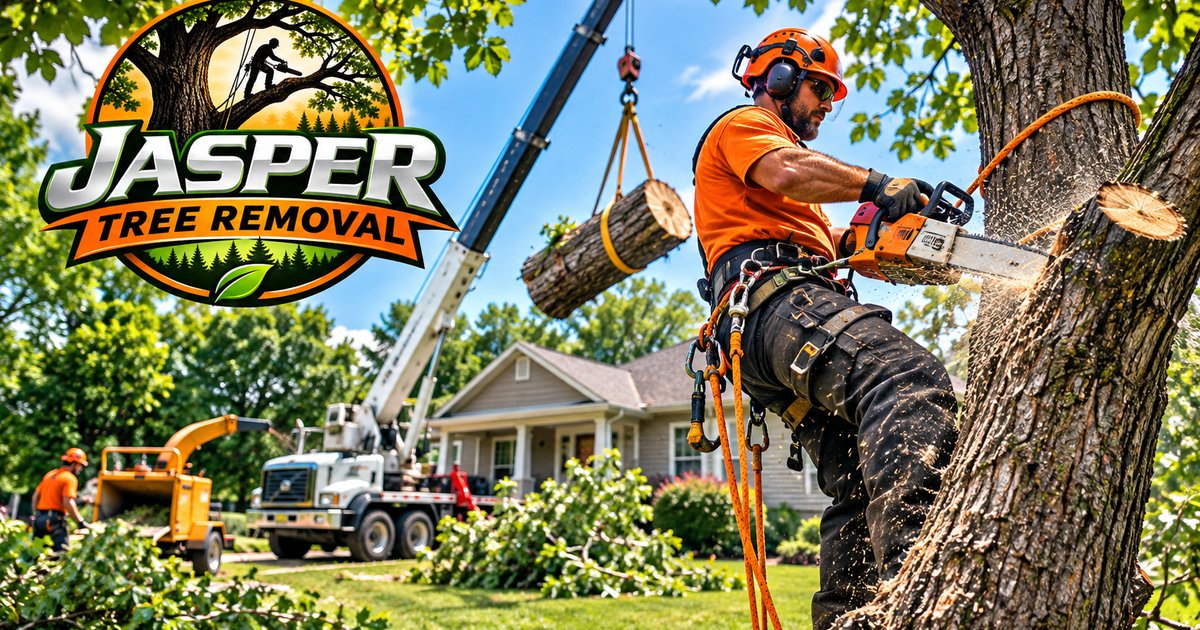
Professional crews use techniques such as rigging and climbing to lower branches in controlled sections. This approach protects the tree, the property, and the people on the ground. For light commercial lots or larger residential properties, calling in a team that handles storm cleanup and lot clearing as part of its regular work can save time and prevent damage.
In North Georgia, where storms can roll in fast and tree species range from pines to hardwoods, having a reliable service makes a difference. A company like Jasper Tree Removal offers residential and light commercial tree care including trimming, stump grinding, and storm cleanup. Their crews work with climbing and rigging methods that keep both the tree and the surroundings safe.
Building a long-term plan for your trees
Think of trimming as part of a larger care cycle. Mulching, watering during dry spells, and occasional inspections for pests all contribute to tree health. A tree that is well cared for is less likely to drop limbs unexpectedly and more likely to withstand high winds.
If you have several trees on your property, consider a rotating schedule. Not every tree needs attention every year. Some fast-growing species may need trimming every two to three years, while slower trees can go longer between visits. Keeping a simple log of what was done and when helps you track what works and what does not.
Before hiring anyone, ask about their approach to cuts, their safety practices, and whether they carry insurance. A responsible crew will be happy to explain how they plan to handle each tree. They should also clean up thoroughly, leaving the site in better shape than they found it.
Tree trimming is not just about looks. It is about safety, longevity, and the quiet satisfaction of watching a healthy tree grow season after season. With the right knowledge and the right help, your trees can remain an asset to your property for decades.
Jasper Tree Removal on social media
 Twitter
 Instagram
 YouTube